
Work did not change all at once, but over time, certain roles started to fade. Tasks that once required steady human effort are now handled more quickly by software and machines. As that shift picked up, some jobs shrank while others disappeared entirely. What replaced them was not just automation, but a different kind of work that focused more on managing systems than on doing tasks by hand.
Human Computer Specialists

Credit: Getty Images
We rely on electronic computers every day to perform calculations in seconds, usually without thinking about the process behind them. However, there was a time when human computers performed these same calculations manually, using paper and careful, step-by-step work. A single problem could fill several notebooks and take hours to complete.
Bowling Pin Setters
Credit: Wikipedia
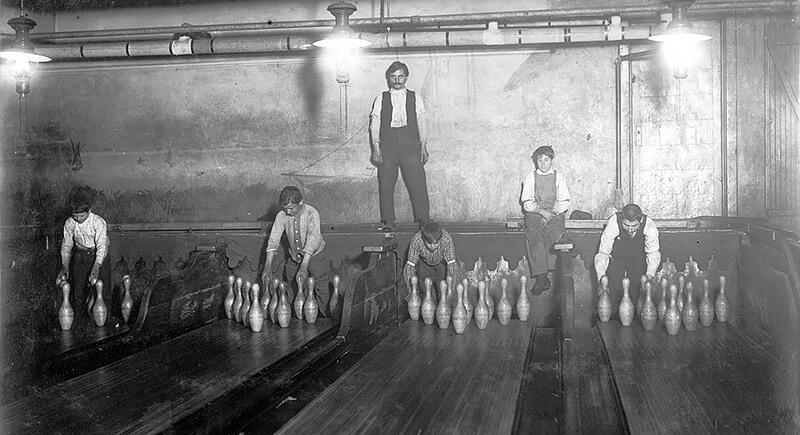
Long before mechanical pin-setting machines became standard, pin boys stood behind bowling lanes to reset pins and return balls after every turn. The job called for ongoing attention and quick movement in a confined space near active play. Personnel also faced a risk of injury since they operated close to fast-moving balls.
Lift Operators
Credit: goerie
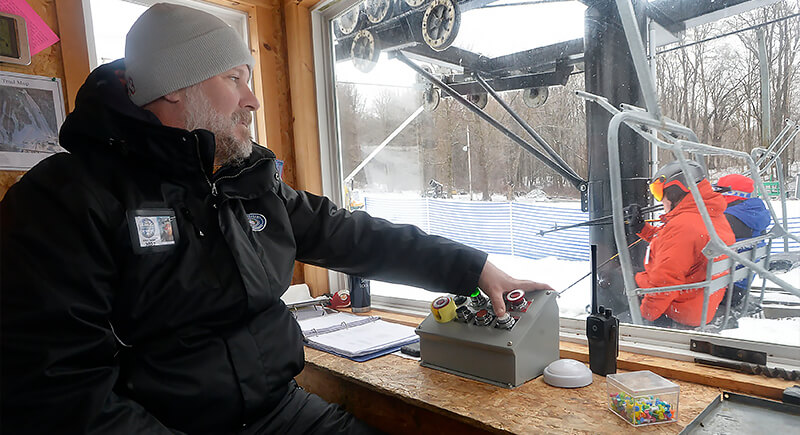
Today, you step into a lift, press a button, and it takes you where you need to go. That was not always the case. Lift operators once handled every movement, controlling stops and managing timing during busy hours. In large buildings, the job required steady attention throughout the day. Once automated systems took over, that responsibility disappeared almost completely.
Switchboard Operators
Credit: Wikimedia Commons
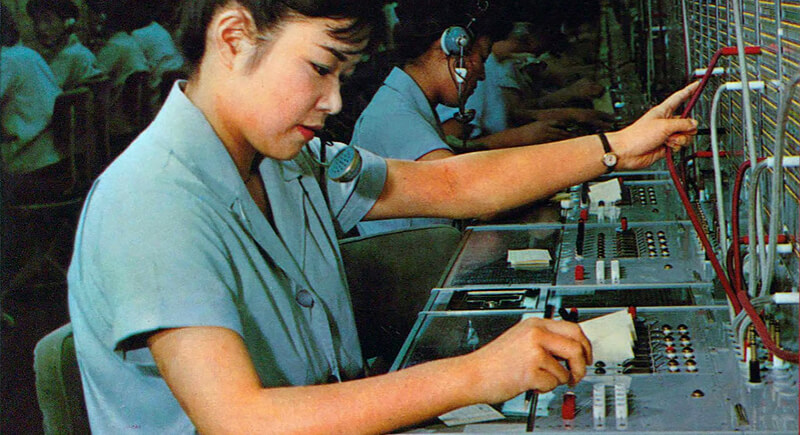
Making a phone call used to depend on someone connecting the line for you. Switchboard operators handled each connection by hand, linking calls through plugs and circuits. As automatic switching systems came in, that process disappeared. Networks could handle more calls at once, with faster connections and fewer delays, which made the role unnecessary over time.
Retail Cashiers

Credit: Getty Images
Self-checkout systems have changed how people move through stores. Customers can scan items, pay, and leave without waiting in long lines. Before this shift, retail cashiers handled every step of the transaction, from scanning products to processing payments. During busy hours, that often meant slower lines and longer waits, which is exactly what the newer systems were designed to reduce.
Factory Line Workers
Credit: Wikimedia Commons
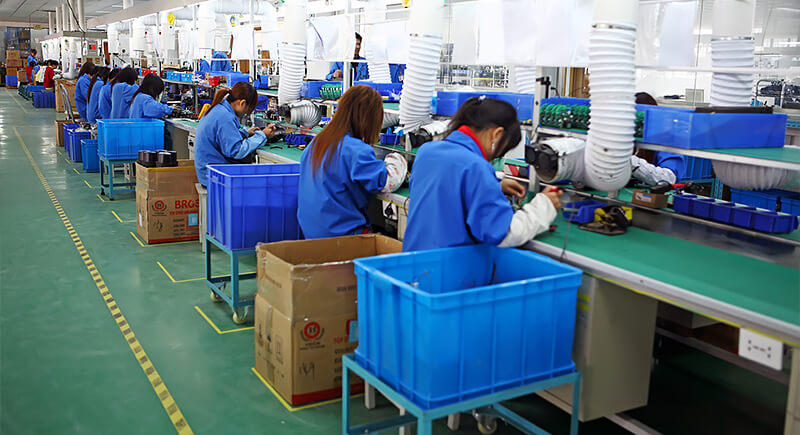
Most production tasks in factories are handled by automated machines that operate with steady speed and accuracy. Workers focus on supervising systems and handling maintenance, but that was not always the case. Earlier setups meant that factory line laborers performed these duties by hand, mostly under demanding, risky conditions.
Warehouse Workers

Credit: Getty Images
Sorting inventory, preparing shipments, and moving goods are now tasks largely handled by technological infrastructure inside modern warehouses. Robots manage these processes with speed and accuracy, which keeps operations running smoothly. In the past, warehouse staff carried out each step by hand across large storage spaces. This required constant physical effort throughout long shifts.
Data-Entry Clerks

Credit: Getty Images
Before you had tools to directly extract information from datasets, data-entry clerks spent hours typing details line by line. The operations involved continuous attention and repeated effort across large volumes of information. In addition, tight deadlines added pressure, especially when large volumes of data needed to be processed quickly.
Bank Tellers

Credit: Canva
Until the 1960s, bank tellers processed deposits, withdrawals, and most account services in person at branches. With the introduction of ATMs, cash and basic services became more accessible. Online banking later expanded this feasibility through digital platforms. You can currently easily manage accounts without visiting a branch.
Travel Agents

Credit: Getty Images
Booking a trip now usually means opening a few tabs and comparing options in minutes. That was not always possible. Travel agents once handled everything, from flights and hotels to full itineraries, using systems regular travelers could not access. People relied on their experience to make the right choices and avoid expensive mistakes.